

Best London Travel Guide for Every Traveler
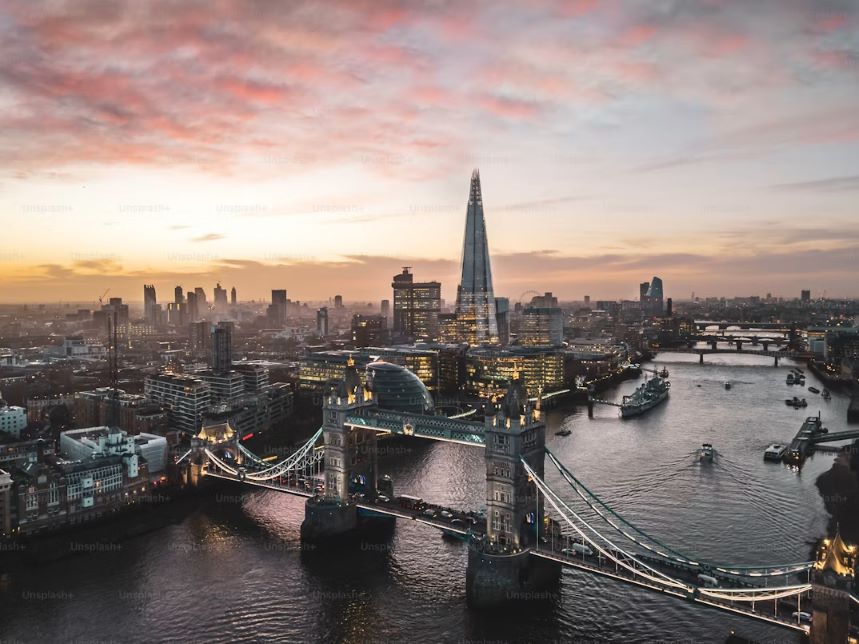
London is a city full of history, culture, and endless things to do. This friendly London travel guide covers everything, from planning your trip to using the Tube. It also shares insider tips to make your vacation unforgettable. Whether you’re looking for the best London travel guide advice on sightseeing, dining, or saving money, we’ve got you covered.
Planning Your London Trip
Best time to visit
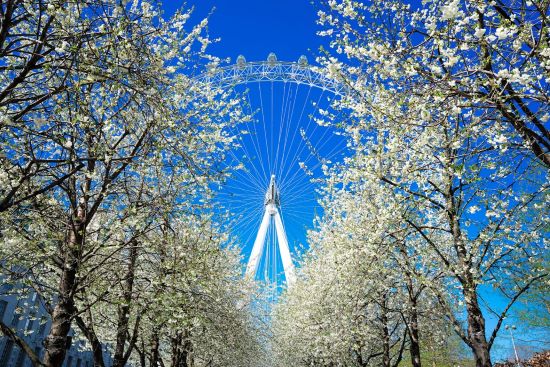
London’s weather is mild, so there really isn’t a bad time to go. Summer (June–August) brings the warmest weather and the longest days, but also the biggest crowds. Spring or early fall often strike the perfect balance: the weather is pleasant and you’ll avoid peak-season tourist jams.
Winter (November–January) is chilly and dark, but it’s a magical time with holiday lights and fewer crowds. Notably, travel costs tend to be lower in the “off seasons” (late autumn and winter). In short, visit in summer if you love lively festivals and warm days. Visit in spring or early autumn for nice weather and fewer crowds.
Budget
London is an expensive city, so set a realistic budget. Hostels and budget hotels might run £30–£60 per person per night, while mid-range hotels average around £100–£200 per night.
Aside from lodging, daily costs add up. Expect about £10–15 for a pub meal or casual dinner. Public transit rides in Zone 1 cost around £2–3.
Keep in mind that London is more expensive from June to September because it is the peak tourist season. If you visit between January and March, you can often find cheaper flights and hotel deals. You can also compare flight price London before booking to find the best deals. A daily budget of around £100 per person is usually enough for food, accommodation, and transport. However, you can spend less by using free attractions, travel cards, and budget-friendly restaurants.
How many days
With just 2–3 days you can hit many of London’s top sights, but a week lets you soak up more of the city’s character. Many guides suggest 3 days as a good “starter” itinerary for first-timers. In three days you can see highlights like the Tower of London, Buckingham Palace, the British Museum, the West End, and the South Bank.
If you have more time, spread out the sightseeing: add day trips to places like Greenwich or visit extra museums. In fact, Bridges & Balloons lays out a three-day itinerary covering most big attractions. Ultimately, tailor your stay to your interests: a long weekend for a quick hit, 5–7 days for a comprehensive tour.
Visa & travel tips
Before your trip, check if you need a visa to enter the UK. Visitors from many countries can take short holidays without a regular visa. Countries include the EU, the US, Canada, and Australia.
However, some travelers, such as US citizens, may need an Electronic Travel Authorization (ETA) before they arrive. Always check the latest travel rules before booking your trip.
In general, confirm whether you need to apply online ahead of time. Always carry your passport and make sure it stays valid for your entire trip. It’s also a good idea to keep a copy on your phone or in your luggage.
Remember, traffic drives on the left side of the road in the UK, so look both ways before crossing. Once you handle these basics, you’ll have a smooth trip!
Where to Stay in London
Best areas
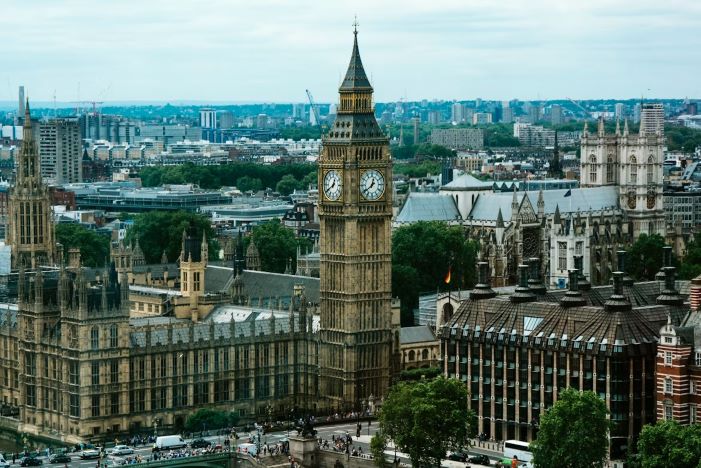
London has many distinctive neighborhoods, and choosing where to stay depends on your priorities. For easy access to popular attractions, stay in Westminster or Covent Garden. You’ll be close to Big Ben, Westminster Abbey, the London Eye, and many theaters..
The South Bank area (along the Thames) is also lively with riverside views, the Tate Modern, and Borough Market within reach. If you love nightlife and shopping, Soho, Piccadilly Circus, and Oxford Street (near Mayfair/Kensington) put you in the heart of it all.
Young travelers often pick Shoreditch or Camden Town for their edgy vibes, street art, and markets. Families might prefer Kensington or Greenwich, which are a bit quieter but still well-connected to central sights. No matter where you stay, London’s transport will connect you, so balance atmosphere, price, and convenience. In short, choose central London (Zones 1–2) for easy access to attractions, and pick a neighborhood vibe that appeals to you.
Budget, mid-range & luxury hotels
Accommodation in London ranges from hostels to five-star palaces. For budget travelers, consider hostels or guesthouses. For example, a dorm bed in a youth hostel might be around £35–£50 per night.
Even simple hotels (or B&Bs) can run about £100–£130 for a double room. Mid-range 3-star and 4-star hotels typically cost £150–£250 per night.
The Bridges & Balloons site notes one pub/hotel combo in central London at about £216 per night. Luxury hotels usually cost £400 or more per night.
Check for deals: off-peak travel periods sometimes have lower rates. Also, many neighborhoods have hidden gems. For instance, the fun St. Christopher’s Village hostel in South Bank offers cheap beds with a lively social scene. For a luxury stay, boutique hotels like Andaz London (King’s Cross) offer stylish rooms and excellent service.
In summary, set your budget first. If you’re looking to save money, book far in advance for discounts on hostels or budget hotels. If comfort is key, London has plenty of spacious chains and boutique hotels at mid-range and luxury prices. Wherever you book, make sure it’s near an Underground or bus stop (the Tube network is extensive and will get you almost anywhere).
Top Things to Do in London
Must-see attractions
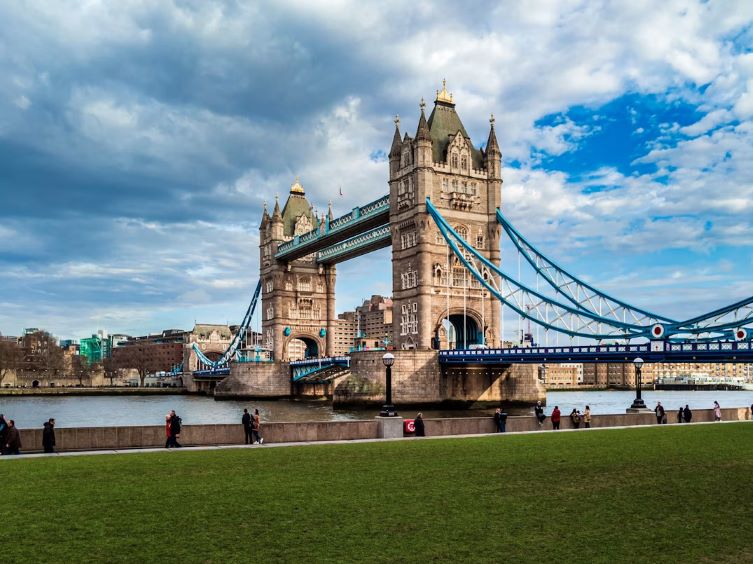
London’s Tower Bridge is one of the city’s most iconic landmarks. Built in the Victorian era, this drawbridge towers over the Thames with its two neo-Gothic turrets. Don’t confuse it with nearby London Bridge – “Tower Bridge” is the ornate one you see on postcards. You can walk across it or even tour the interior to see the Victorian engine rooms and get sky-high views.
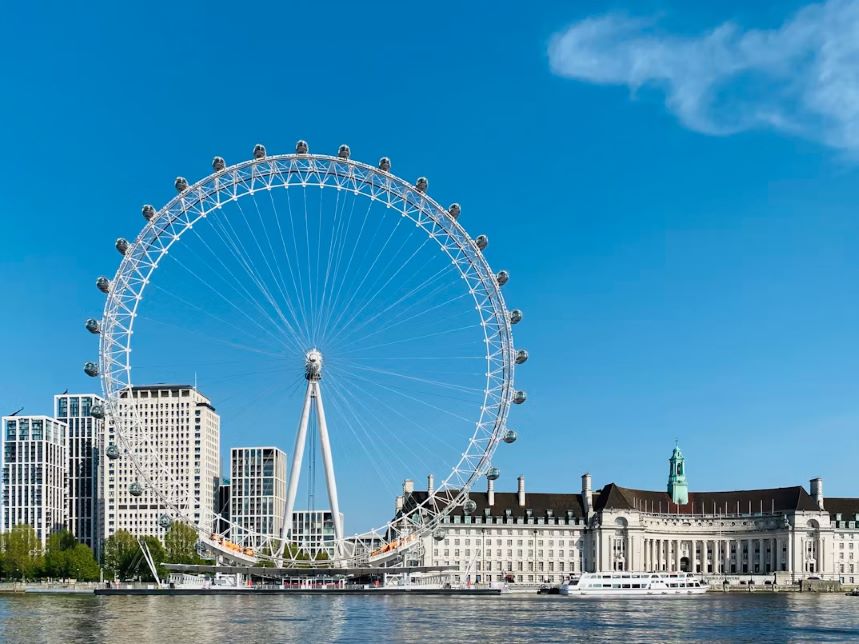
Next, the London Eye Ferris wheel offers spectacular panoramic views across the river and city skyline. A single ride in its glass capsule gives you a 360° perspective: you might spot Big Ben, St. Paul’s Cathedral, and beyond. The Eye is especially pretty at night when it’s all lit up.
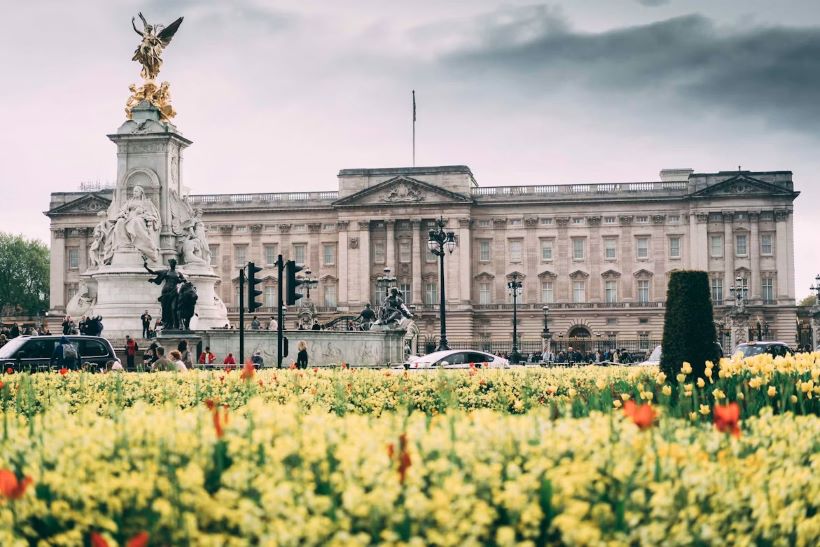
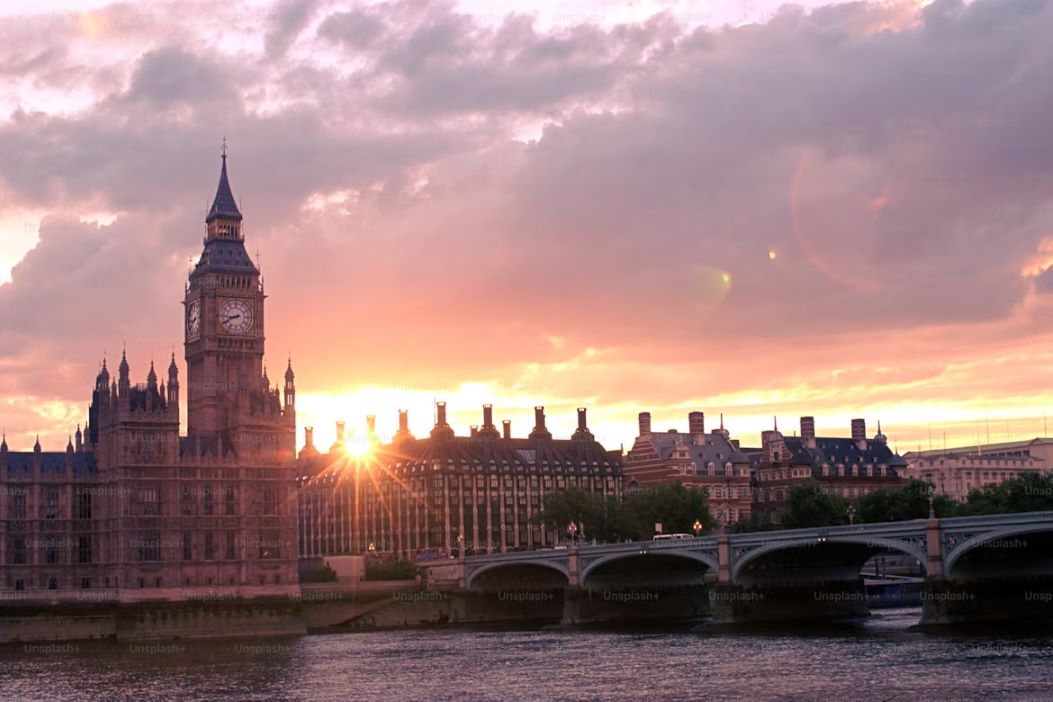
Other unmissable sights include the stately Buckingham Palace, where you can watch the Changing of the Guard ceremony. Don’t miss the Houses of Parliament and Big Ben, two of London’s most famous landmarks. Across the river, visit Westminster Abbey and St. Paul’s Cathedral. While you’ll need a ticket to go inside, you can admire their beautiful architecture from the outside for free.
Finally, carve out time for the British Museum – it’s free to enter and home to ancient artifacts like the Rosetta Stone. Other free museums include the National Gallery (in Trafalgar Square) and the Tate Modern (in a converted power station on the South Bank).
Hidden gems
Beyond the big-ticket sights, London has lots of “secret” corners waiting to be discovered. For quirkiness, swing by Churchill Arms in Notting Hill – it’s a pub famous for its extravagant flower-covered exterior. In nearby Notting Hill, wander through Portobello Road Market (especially on Saturdays).
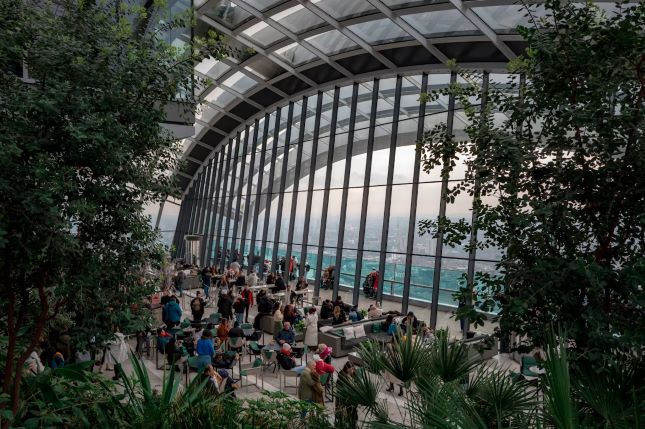
Art lovers should stroll the streets of Shoreditch for its colorful street art and trendy boutiques. If you have time for something off the beaten path, consider the Sky Garden (a free public garden at the top of a skyscraper, with 360° views) or Leadenhall Market (a beautiful Victorian covered market which you may recognize from Harry Potter films).
For peaceful escapes, try St. James’s Park (a lovely royal park near Buckingham Palace) or Hampstead Heath, which offers woodland trails and city vistas from Parliament Hill. The Greenwich Observatory is also worth it for history and skyline views (you can stand on the Prime Meridian line there). And don’t forget Camden Town’s winding canal and market streets – they have a lively, bohemian vibe. Each of these is a “hidden gem” that adds local flavor far beyond the usual tourist path.
Free activities
London is surprisingly budget-friendly when it comes to sightseeing – many of the top cultural attractions are free! In addition to the British Museum (which has an incredible collection spanning millennia) you can enter the National Gallery and National Portrait Gallery in Trafalgar Square without paying. The Science Museum, Natural History Museum, and Tate Modern also have free permanent exhibits. We’d list “all the free museums and galleries” on our favorites list.
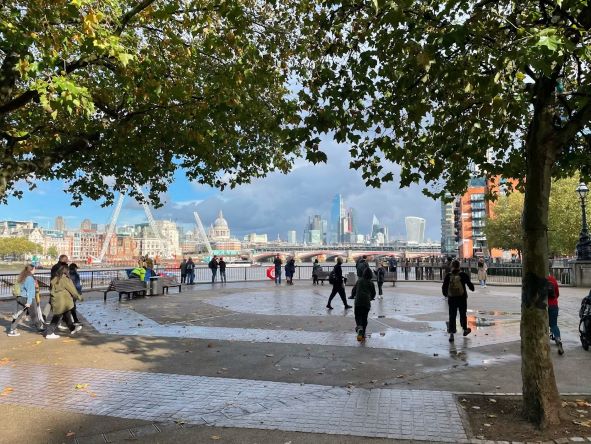
Other free fun: walking along the South Bank of the Thames (from Tower Bridge to Westminster) is an attraction in itself, with street performers and riverside views. Nearby, the famous Stonehenge-like sculptures at the Tate Modern lobby or the bank of green trees in Kew Gardens offer calm respites.
You can also join free walking tours (just tip the guide), pop into historic churches for recitals, or pack a picnic in Hyde Park or Regent’s Park. London’s markets – like Borough Market (food stalls) or Columbia Road Flower Market – are a delight to browse even if you don’t buy anything.
Free sightseeing is one of the best money-saving tips for London. With a bit of planning, you can experience London’s history and culture almost entirely for free, leaving more of your budget for a nice dinner or West End show later.
Getting Around London
London’s public transport is vast and surprisingly easy once you get the hang of it.
Underground
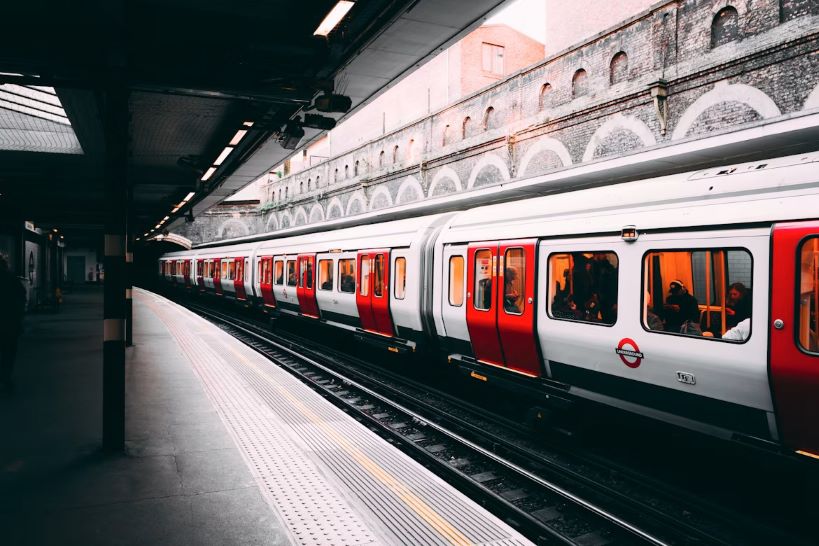
The London Underground (the “Tube”) is the fastest way to traverse the city. There are 11 Tube lines covering central London and beyond. Most tourists stick to Zones 1–2 (central areas). To use the Tube, just tap an Oyster card or contactless bank card/phone on the turnstile.
Fares vary by distance, but a typical Zone 1 trip is about £2.70. Each line is color-coded on the tube map, which you can study beforehand or use via apps like Citymapper. The Tube stops running around midnight, so plan ahead if you’ll be out late (night buses and some night Tube lines run on weekends). Notably, Heathrow Airport is on the Piccadilly Line for easy (30+ minute) access into the city.
Buses
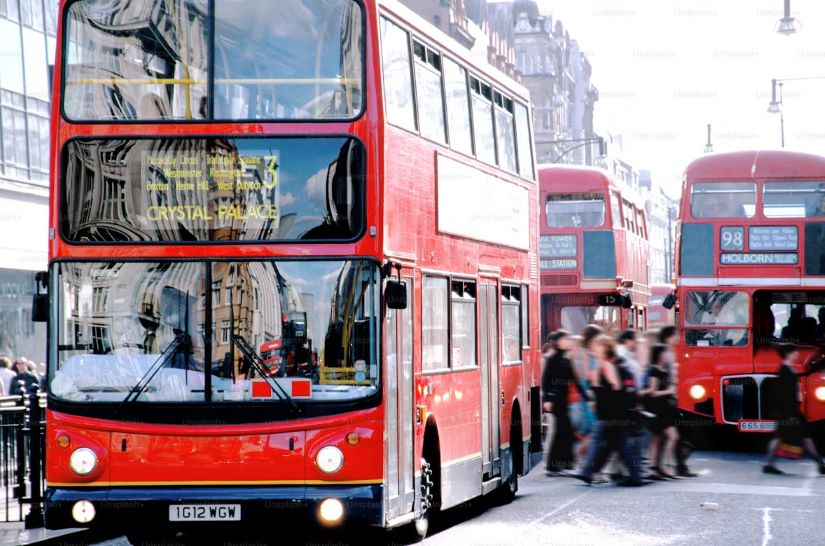
London’s famous red double-decker buses cover nearly every street. Riding a bus is cheaper (about £1.80 flat fare), and you can’t beat the view from the top deck. We recommend it for short hops or when you want sightseeing (for example, take a bus across Westminster Bridge for a great view of the Thames).
Just remember, buses run on a different map (routes are numbered instead of named). Use Google Maps to find your stop. One great perk: if you transfer buses within an hour on your Oyster or contactless card, the second ride is free.
Oyster Card vs Contactless
You have two similar choices for paying public transport: the Oyster card (a rechargeable plastic smartcard) or simply tapping your contactless credit/debit card or phone at stations. Both work the same way and use the same fare structure.
These electronic payments activate daily and weekly “fare caps.” For example, you won’t pay more than about £8–£9 in a day for unlimited Zone 1–2 travel. (If you used cash or paper tickets, rides would cost more, so always use contactless/Oyster.) In practice, most visitors find a credit card easier – just make sure it’s pin-enabled and you remember the PIN for any extended stops.
Given modern tech, we suggest not buying paper Travelcards in advance. Simply tap your bank card or device each time. As noted above, mobile payment is big here: “you will not need to carry around an Underground pass if you have Apple/Google Pay set up”.
There are still ticket machines and office windows (for cash or help), but many Londoners rely solely on contactless. If you’re splitting a budget card or bringing family, Oyster cards make sense so everyone can top up. Either way, one top tip is to start the day’s travel at midnight (that’s when the daily cap resets) so you save on fares in the evening.
Walking
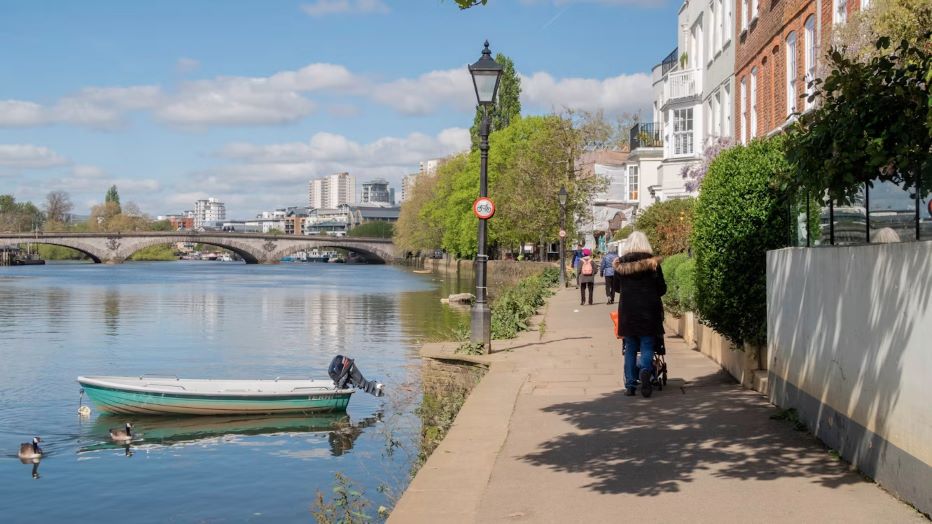
Finally, don’t underestimate London on foot. A surprising amount of central London is walkable – many landmarks are clustered. For instance, you can stroll between Covent Garden, Leicester Square, and Trafalgar Square in a morning. Walking along the Thames (the Queen’s Walk) between Westminster and the London Bridge has great views of bridges, museums, and street performers.
London is a very pedestrian-friendly city; crossing guards in Chinatown or Piccadilly, and plenty of parks and pedestrian squares, make it enjoyable. Wear comfortable shoes and you’ll find half the fun is just wandering the historic streets. As one blogger put it, the best way to get around can be on foot for the inner city!
Food, Shopping & Essential Travel Tips
Best restaurants & pubs

London’s food scene is global. For a true British meal, try classic fish and chips (e.g. at Poppies in Spitalfields or The Golden Hind in Marylebone). Sunday roast dinners (with Yorkshire pudding) at a pub are also a must-try (look for historic pubs in the countryside part of town, like Fulham or Richmond).
In Central London, you’ll find top-notch Indian restaurants – Dishoom (multiple locations) serves Bombay-style comfort food and is a local favorite. Another exotic highlight is SushiSamba (near Liverpool Street) for amazing views of the city along with Asian-Brazilian dishes.
Don’t forget traditional pubs: London is full of them. Some are famous for their history (Ye Olde Cheshire Cheese on Fleet Street) or décor (Churchill Arms in Notting Hill, which blooms with flowers). The Victoria pub (Kensington) is known for historic charm and beer.
Many pubs serve hearty pies, burgers and local ales, which is great comfort food. If you want fine dining or afternoon tea, London has it all: iconic spots like The Ritz and Fortnum & Mason are known for classic afternoon tea (scones and clotted cream).
Coffee and street food are excellent here too. You’ll find Borough Market and Camden Market bustling with international street food stalls (try anything from Spanish paella to Venezuelan arepas).
For dessert, cupcakeries like Peggy Porschen in Belgravia are famous for their Instagram-worthy pastries. Whatever you fancy, London has a restaurant to match. And remember, with so much competition, look out for 2-for-1 happy hour or set menu deals that many bars and eateries offer in the afternoons/evenings.
Shopping areas
London is a shopper’s dream. No matter your style or budget, there’s an area for you. For high-end fashion and department stores, head to Oxford Street and Regent Street (you’ll find stores like Selfridges on Oxford St).
Nearby Bond Street and the Burlington Arcade cater to luxury brands. Another upscale area is Westfield shopping center (either in Shepherd’s Bush or Stratford) with all major global brands under one roof.
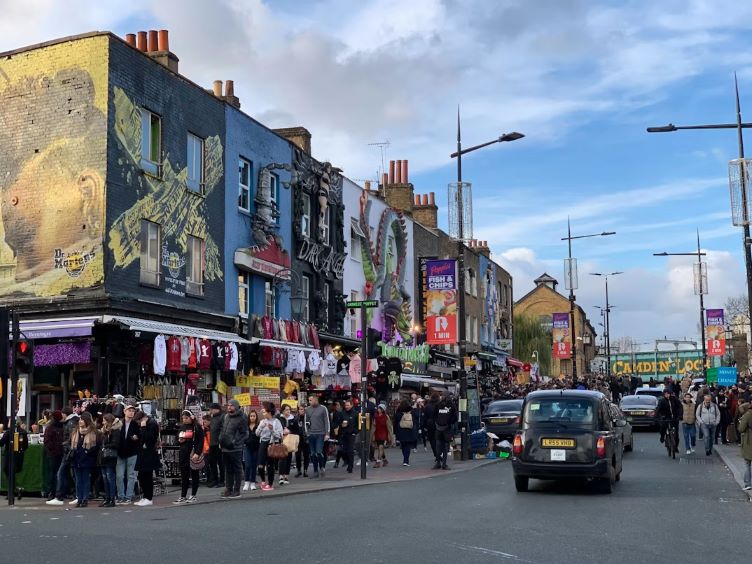
For a quirkier vibe, explore the markets. Camden Market in north London has alternative fashion and crafts – it’s a fun place to browse and soak up youth culture (see image). Camden’s canal and brick stalls are full of souvenirs, vintage clothes, and snacks. Nearby Chalk Farm and Camden Stables offer more eclectic shops and food stalls.
West of the city, Notting Hill’s Portobello Road Market (especially on Saturdays) sells antiques, art, and bohemian clothes. Covent Garden is great for street performances and boutique shops, while Leicester Square/China Town area has a mix of shops and large flagship stores. Don’t miss King’s Road in Chelsea or Carnaby Street in Soho for a trendy, independent-shopping vibe. For bargains, London isn’t as cheap as some cities, but look for end-of-season sales (January and July are big sale months).
In short, whether you want the best bargains or just to window-shop in fancy stores, London’s shopping areas have it all.
Money-saving tips
There are lots of ways to save. First, use public transit wisely: always tap in/out with an Oyster or contactless card to get the daily cap (i.e. once you’ve spent that much, the rest of your travel that day is free). Avoid buying single cash tickets, which cost far more.
Second, take advantage of free entry: many museums and galleries are free. When buying souvenirs, avoid tourist traps near main sights; instead, browse markets or local shops.
Eating out can be pricey, so seek out lunch specials and market food. For example, supermarkets like Pret a Manger and Tesco have ready-made “meal deals” (sandwich + snack + drink) for about £4–6. Also, tap water is perfectly safe to drink – so carry a refillable bottle and save on bottled drinks.
If you plan to see paid attractions (like the Tower of London or a West End show), look online for combination tickets, 2-for-1 deals (when you have a rail/Tube ticket), or group discounts. However, sometimes spontaneity works best: browse free walking tours (tip the guide what you can) or simply enjoy the cityscape on foot.
Lastly, as one insider noted, “always carry a credit card” – London shops, restaurants and transit machines all take cards. You won’t need to withdraw lots of pounds (though it’s good to have a little cash for small vendors or markets).
All these little savings add up, making London much kinder to your wallet than it first appears.
Safety & FAQs
London is a very safe city by global standards, but you should stay aware as in any big city. Keep personal items secure in crowded spots (like the Tube during rush hour or busy markets). Use the ubiquitous CCTV cameras and know emergency numbers: dial 999 (or 112) for police, ambulance or fire. Many neighborhood pubs or hotels will call a taxi for you late at night, but licensed black cabs and reputable ride-share apps (Uber, Bolt) are usually safe if you use them properly.
A few extra quick tips: queue patiently (lining up is a UK tradition!), drive on the left, and mind the speed when crossing roads (pedestrian crossings have signals). If you need medical help, UK doctor’s practices and chemists are plentiful; travel insurance is recommended.
Tipping isn’t mandatory but 10–15% for good service in restaurants is appreciated (for pub meals or takeout it’s optional). Finally, always carry a valid photo ID (your passport or driver’s license) – businesses often ask for ID when you pay by card or buy alcohol.
By planning smartly and staying aware, you’ll find London to be welcoming and exciting. Follow this guide’s advice on transportation, dining, shopping and money-saving, and you’ll have a smooth, memorable trip. Enjoy your adventure in London, England – this guide has prepared you well!
Sources: London’s climate and seasons; transit tips and fares; visa and travel authorization info; hotel price examples; suggested itineraries and attractions; free museum note; shopping districts; transit payment info; and other expert travel tips. Each point is drawn from up-to-date London travel resources.